Google AI Overviews Are Changing Search. Here's What Should You Do About It.
You've probably noticed it already.
You Google something and instead of jumping straight to the results, there's a big AI-generated paragraph at the top of the page summarizing the answer for you. That's Google's AI Overview. And it's changing how people find businesses online.
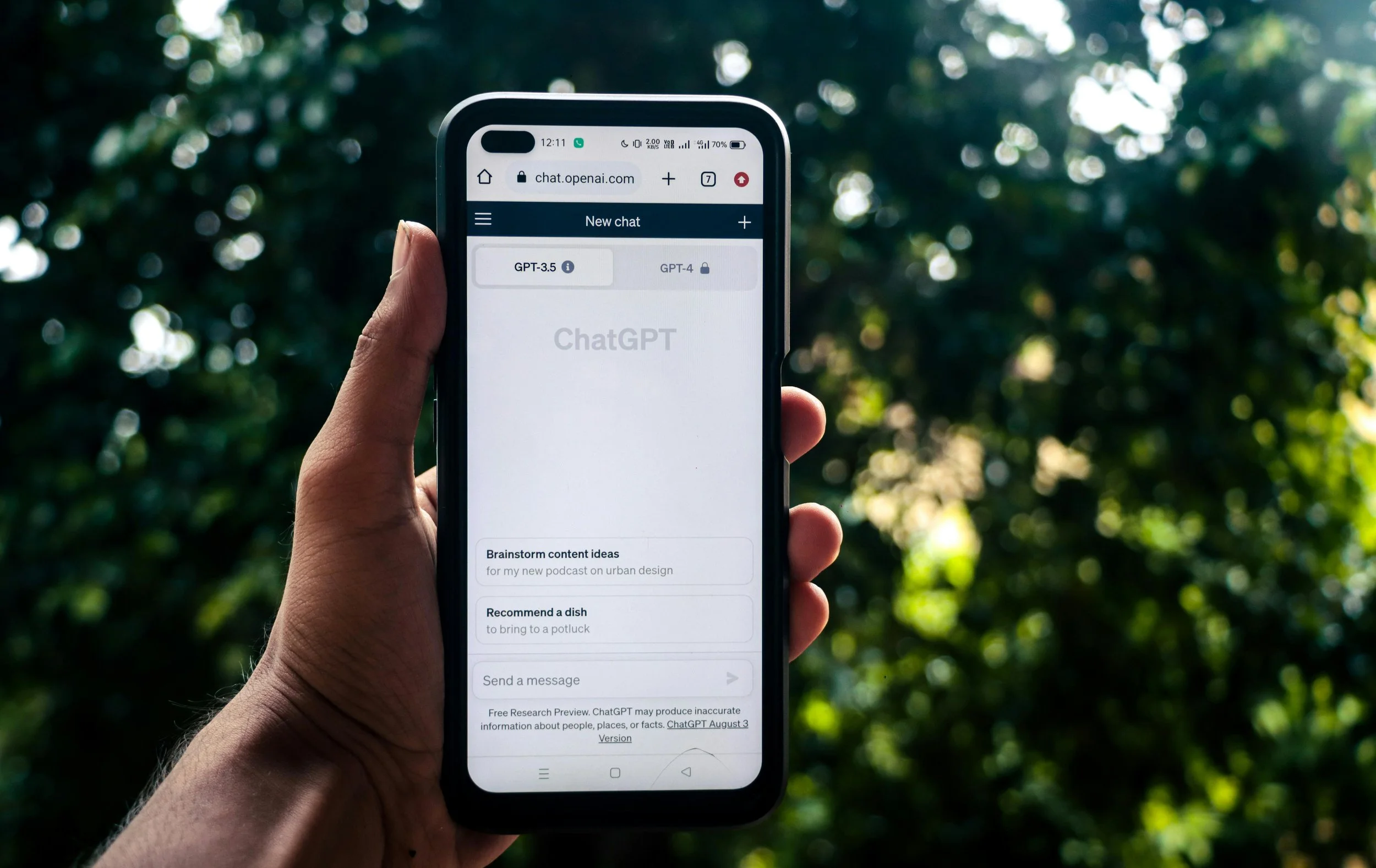
It's not just Google either. ChatGPT has a search feature now. Perplexity is growing fast. People are asking AI tools questions they used to type into a search bar, and they're getting answers without ever clicking through to a website.
If you're a business owner, this probably feels like bad news. It's not. But it does mean the rules are shifting, and if you don't adjust, you'll fall behind people who do.
Here's what's happening and what you can do about it.
What's different about AI search
Traditional search shows you a list of websites and lets you pick. AI search reads a bunch of those websites, synthesizes an answer, and presents it directly. Sometimes it cites sources. Sometimes it doesn't. But the sites it pulls from aren't random — they're the ones with the clearest, most structured, most authoritative content.
That's the important part. AI doesn't pull from sites that rank well because of tricks or thin content. It pulls from sites that genuinely answer the question better than everyone else. If your site is well-structured and clearly written, you're actually in a better position than most of your competitors.
The basics haven't changed
Here's what most people get wrong about AI search optimization. They think it's some entirely new discipline. It's not. The foundation is the same stuff that drives good SEO.
Clear heading structure so machines can parse your content. Schema markup so search engines understand what your business is, where it's located, and what services you offer. Well-written content that answers real questions in plain language. Fast load times. Mobile responsiveness.
If you're already doing solid on-page SEO, you're already doing 80% of what it takes to show up in AI-generated answers. The other 20% is about how you structure and frame your content.
Write like you're answering a question
AI systems love content that's structured as clear answers to specific questions. Think about how people actually ask things. "How much does a website cost in Missoula?" "What's the best platform for a small business website?" "How long does SEO take to work?"
If your site has pages that directly address those questions with clear, specific answers, you're giving AI exactly what it needs to cite you. FAQ sections with real answers (not marketing fluff) are incredibly valuable for this. So are service pages with specific descriptions of what you do and how you do it.
This is one reason I build FAQ schema into every service page I create. Google can read it, AI Overviews can read it, and ChatGPT can read it. One piece of structured content working across every channel.
Schema markup matters more than ever
Schema markup is code that tells machines what your content means. Not just what it says — what it means. Your business name, address, phone number, services, reviews, FAQs, pricing. All structured in a format that search engines and AI systems can parse instantly.
Most small business websites have zero schema markup. That means AI systems have to guess what your business does based on your body text alone. Adding structured data removes the guessing. It's like handing Google a cheat sheet about your business.
I implement schema on every site I build and every SEO project I take on. It's one of the highest-leverage things you can do for both traditional rankings and AI visibility.
Local businesses have an advantage
Here's something that doesn't get talked about enough. AI search still relies heavily on Google's existing data for local queries. That means your Google Business Profile, your local citations, your NAP consistency, your reviews — all of that still matters enormously.
When someone asks ChatGPT "best web designer in Missoula," the answer isn't coming from thin air. It's pulling from Google's data, from Yelp, from directories, from structured data on websites. If you've done the work to be visible in those places, you're already ahead.
Local businesses that combine strong traditional SEO with proper schema markup and clear, answer-oriented content are in the best position to dominate both traditional and AI search. It's not either/or. It's both, built on the same foundation.
What you should actually do
Don't panic. Don't hire someone selling "AI SEO" as a completely separate service. Don't rewrite your whole site.
Do this instead. Make sure your site has proper schema markup. Make sure your Google Business Profile is fully optimized. Make sure your service pages clearly describe what you do with specific, honest language. Add FAQ sections with real answers to real questions. Write content that addresses the things your customers actually search for.
That's it. It's not magic. It's just good SEO done with an awareness of where search is heading.
If you want help getting your site ready for how people are actually searching in 2026, let's talk about it. I'll audit your site, tell you where you stand, and build a plan that works for both Google and AI.